7 Ways to Extend the Life of Your HVAC System in Denver
Published: 2026-05-11 · By Summit Furnace and Heating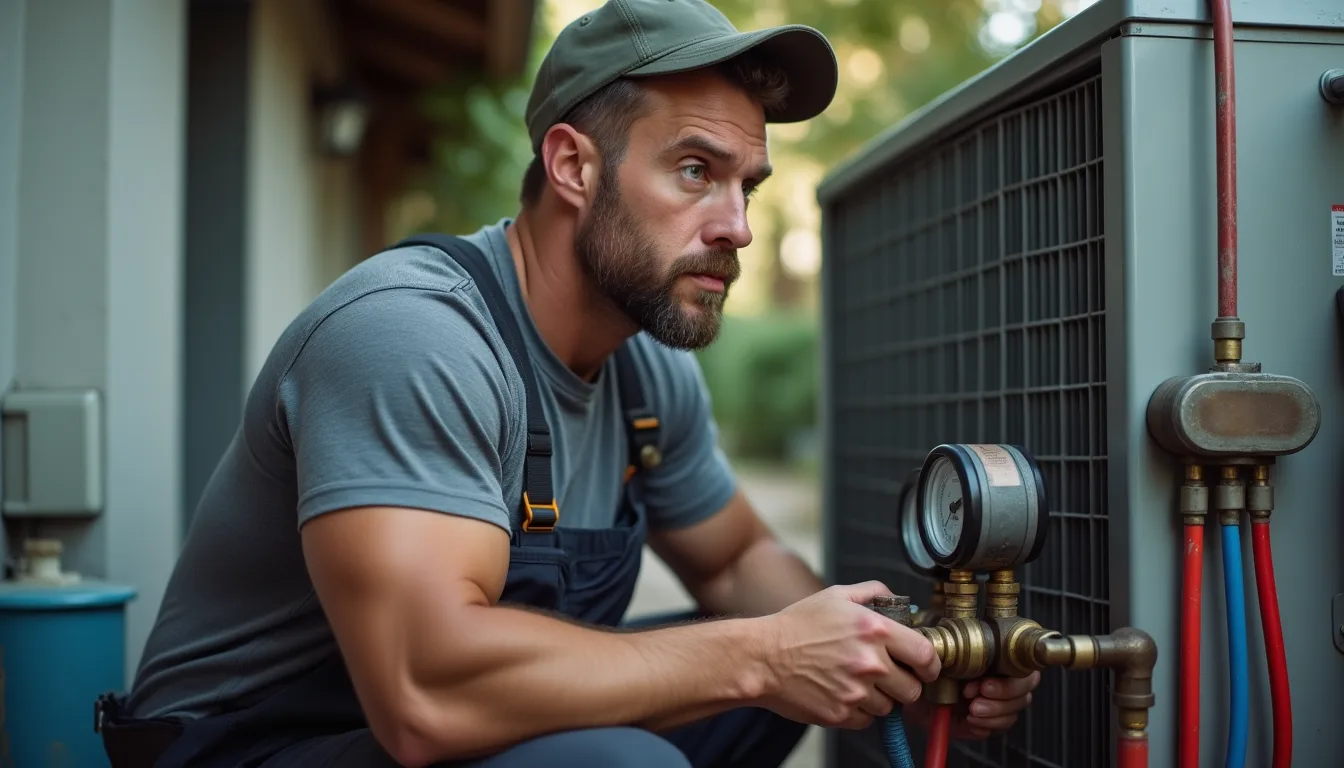
As a homeowner in Denver, the weather can feel like a roller coaster ride, with temperatures swinging from sunny to snowy in what seems like mere hours. Such rapid changes aren't just uncomfortable; they can also wreak havoc on your HVAC system. If you want to avoid costly repairs and keep your home cozy through the unpredictable Colorado seasons, knowing how to care for your heating and cooling units is essential. While it might seem daunting, there are practical steps you can take to extend the life of your HVAC system and ensure your comfort year-round. Let's explore some actionable tips specifically tailored for Denver's unique climate.
Why This Matters for Denver Homeowners
Denver residents face unique HVAC challenges due to our climate. Rapid temperature shifts, especially in spring, can lead to stress on your heating and cooling systems. These fluctuations can catch many homeowners off guard, especially when significant snowmelt occurs or unexpected hail storms strike. Neglecting your HVAC system amidst these temperature swings can result in inefficient operation or complete breakdown, leading to inconvenient outages and expensive repairs.
Moreover, many homes in Colorado are built on expansive clay soils that can shift and cause structural issues. This can affect how your HVAC is installed, leading to even greater potential problems if not addressed. The average cost of emergency HVAC repairs can range from $200 to $1,200, depending on the issue, so preventive measures are a wise investment.
Additionally, the freeze-thaw cycles in spring can lead to condensation that affects HVAC systems, reducing their efficiency. This is why understanding how to care for your heating and cooling units in Denver is vital for maintaining a reliable and efficient home environment.
Expert Solutions & Actionable Tips
1. 1. Schedule Regular Maintenance
Maintaining your HVAC system should be a priority for every Denver homeowner. Aim to schedule professional maintenance at least twice a year, ideally in both spring and fall. During these checkups, a technician will inspect and clean the system, ensuring it's operating efficiently. Typically, maintenance costs in Denver range from $100 to $200 per visit. Regular upkeep can help prevent unexpected breakdowns during extreme weather.
2. 2. Change the Air Filter Regularly
A simple yet effective way to extend your HVAC system's life is to change the air filter every 1 to 3 months, depending on usage. In Denver, dust and pollen can be particularly high in spring and fall, clogging filters quickly. New filters are generally inexpensive, ranging from $10 to $50 each. Clean filters improve airflow and efficiency, leading to lower energy bills and less strain on your system.
3. 3. Invest in a Smart Thermostat
A smart thermostat can help you manage your HVAC system more effectively, especially in Denver's unpredictable climate. These devices learn your schedule and adjust your home's temperature accordingly, optimizing your system's performance and saving energy. Installation typically costs between $150 and $300 but can lead to savings of up to 15% on energy bills, making it a wise investment over time.
4. 4. Seal Ducts and Insulate
In a city where the weather can change rapidly, ensuring that your HVAC ducts are sealed properly can prevent warm or cool air from escaping. Leaky ducts can increase energy costs by as much as 30%! Hiring a professional to assess and seal your ducts might cost around $300 to $800, but this expense pays off in reduced energy bills and improved system performance.
5. 5. Emergency Preparation
Given the frequency of hail storms and heavy snow in Denver, consider preparing an emergency HVAC kit. This kit should include items like a backup power source and necessary tools. The initial investment could be between $50 and $150. Being prepared can minimize downtime and ensure comfort during inclement weather, particularly critical in the depths of winter.
6. 6. Monitor Outdoor Units
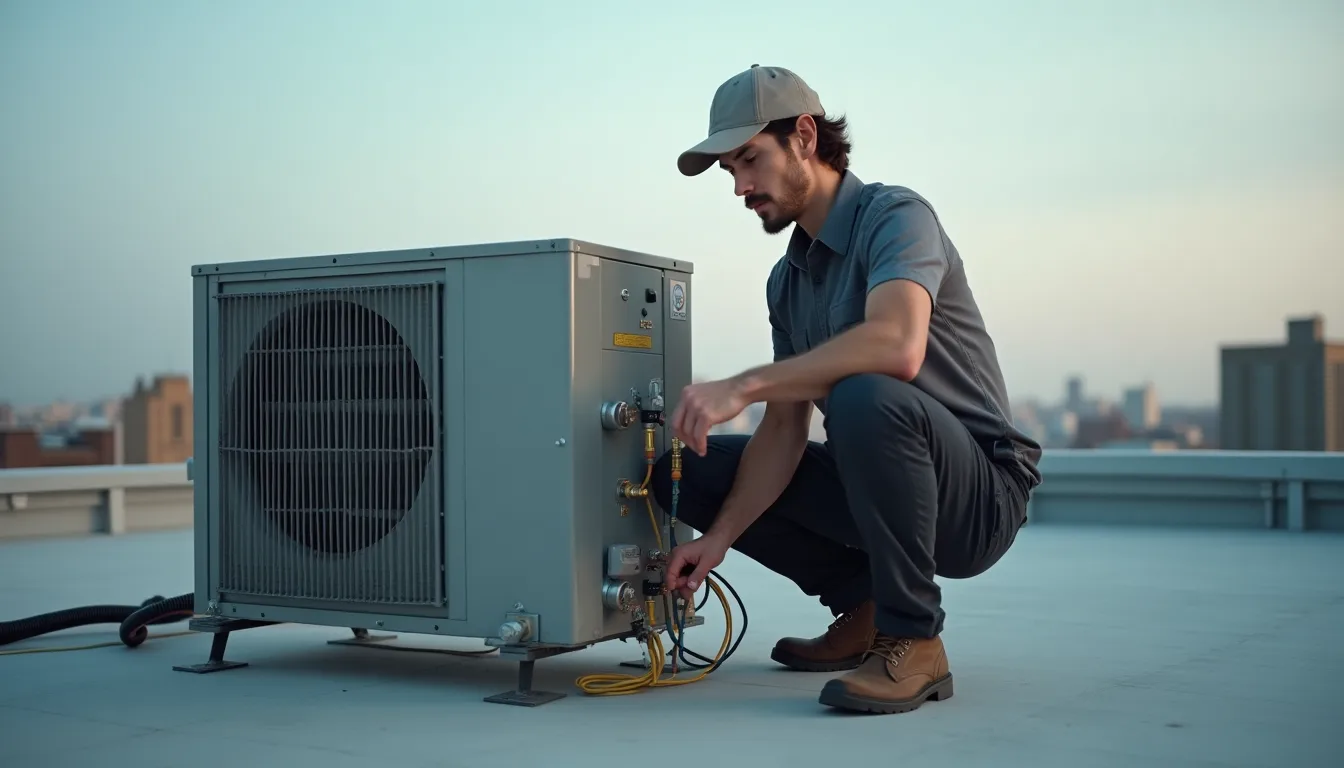
Your outdoor HVAC unit directly faces the elements. Regularly check for debris, ice, or buildup that can affect efficiency. Routinely clearing leaves, snow, and dirt away from the unit can prevent blockages. A thorough cleaning performed by a professional can cost around $100 but is essential for the longevity of your system. Keeping these outdoor components well-maintained will ensure your HVAC runs smoothly.
Denver Climate & Local Context
Denver's climate is characterized by its rapid temperature changes and unique seasonal challenges. Homeowners frequently experience heavy snowfall followed by quick melts, leading to moisture problems. The city's expansive clay soils require special drainage solutions, and recognizing these factors can influence how HVAC systems are installed and maintained. Additionally, building codes in Denver may require specific permits for significant HVAC work, making it crucial to understand local regulations.
Understanding the local building stock is essential, as older homes may present their own HVAC challenges, such as outdated systems that are less efficient. Furthermore, new construction in Denver often prioritizes energy efficiency, making it beneficial to stay updated on the latest heating and cooling technologies tailored to our local environment.
When to Call a Professional
While DIY maintenance can save a bit of money, some situations are best left to professionals. Knowing when to call in the experts is crucial for the health of your HVAC system. For instance, if you notice unusual noises coming from your system, have very uneven temperatures in your home, or experience frequent cycling on and off, it’s time to get a professional evaluation.
- Persistent strange noises from the unit
- System cycling rapidly without completing a full heating/cooling cycle
- Increased energy bills without apparent cause
- Visible leaks or water damage around the system
- Strange odors when the system is running
- Old units older than 10-15 years experiencing frequent breakdowns
In Denver, HVAC specialists are knowledgeable about local building codes and can ensure that any work complies with regulations that protect both the home and its occupants.
Frequently Asked Questions
How often should I service my HVAC system in Denver?
In Denver, it’s recommended to service your HVAC system twice a year—once in the spring and once in the fall—to ensure efficiency throughout the temperature extremes.
What are the common signs that my HVAC system needs repair?
Common signs include strange noises during operation, uneven heating or cooling throughout your home, and unexpected increases in energy bills, particularly during peak use times.
Can I install an HVAC system myself?
While some minor tasks, such as changing filters, can be done by homeowners, installing an entire HVAC system should be left to professionals who understand Denver's building codes and climate challenges.
What is the cost range for HVAC repairs in Denver?
Emergency HVAC repairs in Denver can range from $200 to $1,200, depending on the issue, so regular maintenance is crucial to avoid these costs.
How can I improve the efficiency of my air conditioning unit?
Improving efficiency can be achieved by regularly cleaning the unit, ensuring it is shaded from direct sunlight, and using a smart thermostat to control your home's temperature more effectively.
Get Expert HVAC Service in Denver
Don’t let an overwhelmed HVAC system leave you uncomfortable during Denver’s wild weather changes. Regular maintenance and proactive care can drastically improve efficiency and longevity. If you're ready to take care of your HVAC needs, reach out to Summit Furnace and Heating today. We're here to ensure your home stays cozy through every season!
Call us at (719) 361-9163 and let our experts help you maintain the optimal comfort in your Denver home.