Common Heating Problems in Denver Homes and How to Fix Them
Published: 2026-05-11 · By Summit Furnace and Heating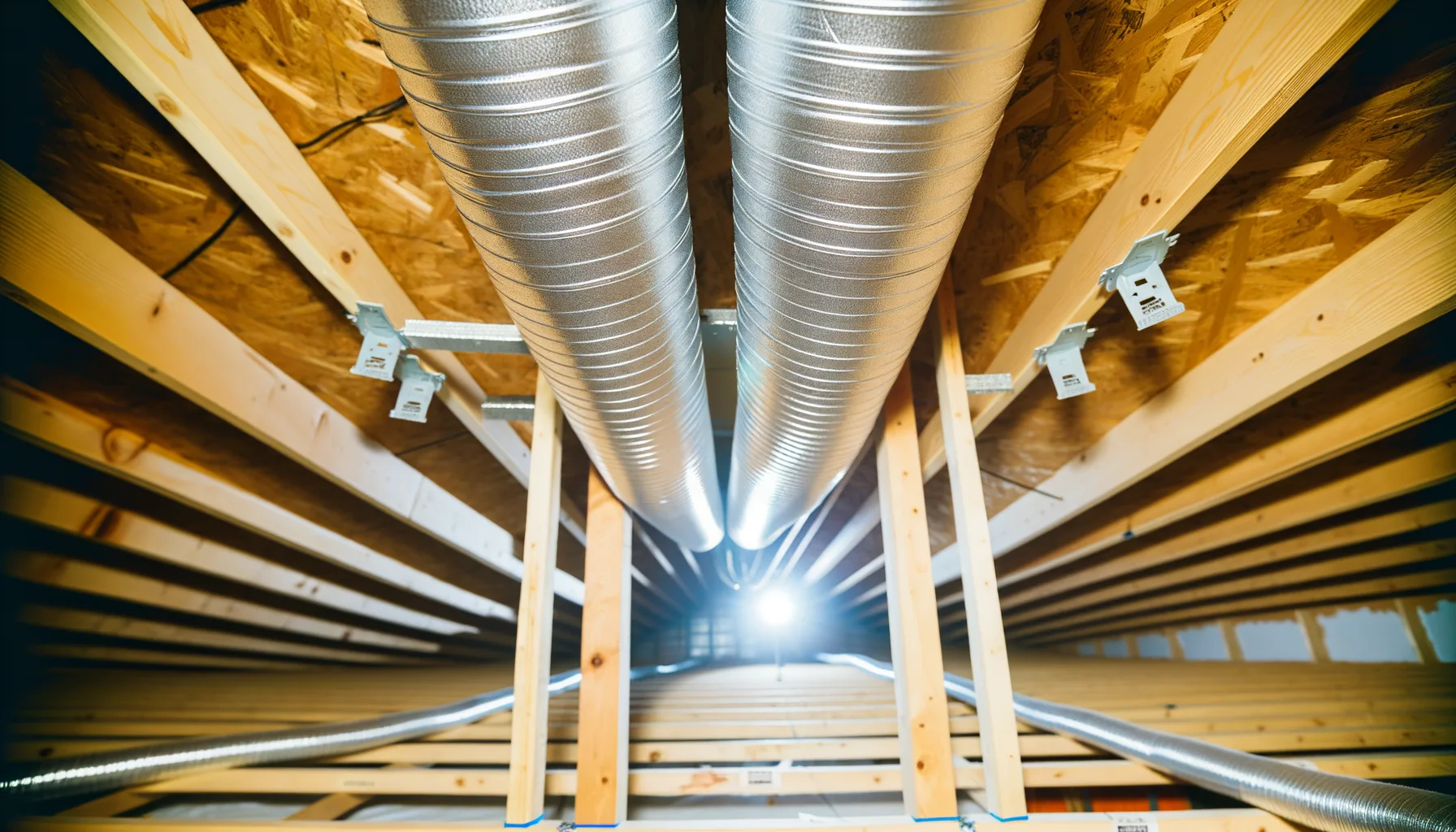
Imagine waking up on a chilly Denver morning, only to find that your furnace is not working. With temperatures in the Mile High City dipping unexpectedly, understanding common heating problems becomes crucial for homeowners. Rapid weather changes can put added stress on your HVAC system, leading to failures at the most inconvenient times. From frostbite-inducing cold snaps to unseasonable warmth, recognizing how local climate impacts your heating can save you not just money but also sheer frustration during winter months.
Why This Matters for Denver Homeowners
Heating issues in Denver homes often stem from the rapid temperature fluctuations specific to our area. These extremes can cause systems to work harder than intended, leading to premature wear and tear. Factors such as humidity from spring thaw or hail storms can exacerbate these problems, causing long-term damage that may not be immediately visible.
Additionally, homes built on clay soils face unique drainage challenges. If the drainage isn’t managed effectively, it can lead to shifting foundations and stress on heating ductwork. Homeowners need to be aware of these issues to ensure that their heating systems function properly when they’re needed most.
With the right understanding and prompt action, you can avoid significant disruptions during the cold months. Awareness of the specific heating troubles facing Denver homeowners is the first step toward maintaining comfort and safety in your home.
Expert Solutions & Actionable Tips
1. Regular Maintenance Checks
Investing in routine maintenance for your heating system can extend its lifespan and enhance efficiency. Aim for a professional inspection every fall to ensure everything is functioning smoothly. Costs for a typical maintenance check in Denver range from $100 to $200, but this can save you from much larger repair bills later.
Denver homeowners should also consider signing up for a maintenance plan that includes bi-annual checks, which can reduce the likelihood of breakdowns during peak usage months.
2. Upgrade to a Smart Thermostat
Switching to a smart thermostat can greatly improve your heating efficiency by adapting to your habits and optimizing usage patterns. The initial cost is around $100 to $300, depending on the model, but the energy savings can quickly offset this.
These devices can also alert you when systems malfunction, providing you peace of mind while you’re away from home in our often unpredictable Colorado weather.
3. Insulation Improvements
Poor insulation can lead to substantial heating loss, making your system work harder to keep your home warm. Consider investing between $1,500 and $3,000 in a thorough insulation upgrade, especially if your home has old or inadequate insulation.
In Denver, where temperature swings are common, sealing gaps and improving insulation can not only reduce heating needs but also lower your utility bills substantially.
4. Address Ductwork Issues
If your heating system is working hard but you still feel chilly, it could be ductwork problems that are causing trouble. Leaks and blockages can lead to loss of heated air, and having your ducts inspected typically costs between $150 and $300.
In a city with many older homes, making sure your ductwork is clean and well-insulated is crucial to maintaining comfort during winter.
5. Think About Zone Heating
For larger homes, consider implementing a zone heating system that uses multiple thermostats to control heating by area. While the setup can range between $2,000 and $4,500, it offers excellent energy savings by only heating spaces that are in use, perfect for adapting to Denver’s fluctuating temperatures.
This customization can greatly enhance your family's comfort while keeping utility costs in check.
6. Check for Humidity Issues
Low humidity levels during dry winter months can create an uncomfortable environment and cause respiratory issues. Investing in a whole-home humidifier might cost between $800 and $2,200, but can improve your overall indoor air quality and comfort.
Monitoring humidity can also prevent damage to your furniture and help you feel warmer without cranking the heat up unnecessarily.
Denver Climate & Local Context
Denver's weather is characterized by rapid shifts, making HVAC performance essential for comfort all year round. Spring's heavy snowmelt leads to damp conditions, while relentless hail storms can damage outdoor units if not adequately protected. Moreover, the extensive freeze-thaw cycles add another layer of stress to your heating system, contributing to performance issues.
The building landscape in Denver also plays a critical role; many homes sit on expansive clay soils. This can lead to foundation shifts that affect your heating system’s ductwork. It's essential for homeowners to understand local codes related to drainage and HVAC installations when managing their heating systems, as improper drainage can exacerbate heating issues and lead to costly repairs in the long run.
When to Call a Professional
While many minor HVAC issues can be handled by motivated homeowners, some situations necessitate professional intervention. Knowing when to DIY and when to call a pro is vital in maintaining a safe and effective heating system.
- If your system is making alarming noises
- You notice a sudden increase in energy bills
- If the thermostat seems unresponsive
- Signs of gas leaks or strange smells
- Increased dust or air quality issues in your home
- Inconsistent heating across different rooms
For basic maintenance tasks like changing filters or cleaning vents, most homeowners can manage these tasks. However, severe issues or major replacements shouldn’t be overlooked—calling a pro is essential to ensure safety and compliance with local codes.
Frequently Asked Questions
What should I do if my furnace stops working in the middle of winter?
First, check the thermostat settings and ensure the pilot light is on. If those are fine, call Summit Furnace and Heating at (719) 361-9163. Our technicians can quickly diagnose and address the issue.
How often should I have my heating system serviced?
In Denver, it’s advisable to have your HVAC system serviced at least once per year, ideally before the heating season starts. This regular check-up can prevent many common issues.
Can I install a smart thermostat myself?
Yes, many smart thermostats are designed for easy installation with basic tools. However, if you’re unsure, it’s best to consult a professional to ensure compatibility with your current system.
What signs indicate I need to upgrade my heating system?
Frequent repairs, high energy bills, and uneven heating are clear indicators that it might be time for an upgrade. An assessment from our team can help pinpoint the best course of action.
How can I improve the efficiency of my heating system?
Beyond regular maintenance, ensuring your home is well-insulated and using energy-efficient appliances can vastly improve heating efficiency. Consulting with experts can provide tailored recommendations for your home.
Get Expert HVAC Service in Denver
Don’t let heating problems disrupt your comfort during Denver's winter. For reliable support and solutions, reach out to Summit Furnace and Heating today! Our team is ready to help you ensure your heating system operates at its best, even during the coldest months. Call (719) 361-9163 to schedule an appointment.
Let Summit Furnace and Heating be your trusted partner in home comfort throughout Denver!