Winter HVAC Maintenance Checklist for Denver Homeowners
Published: 2026-05-11 · By Summit Furnace and Heating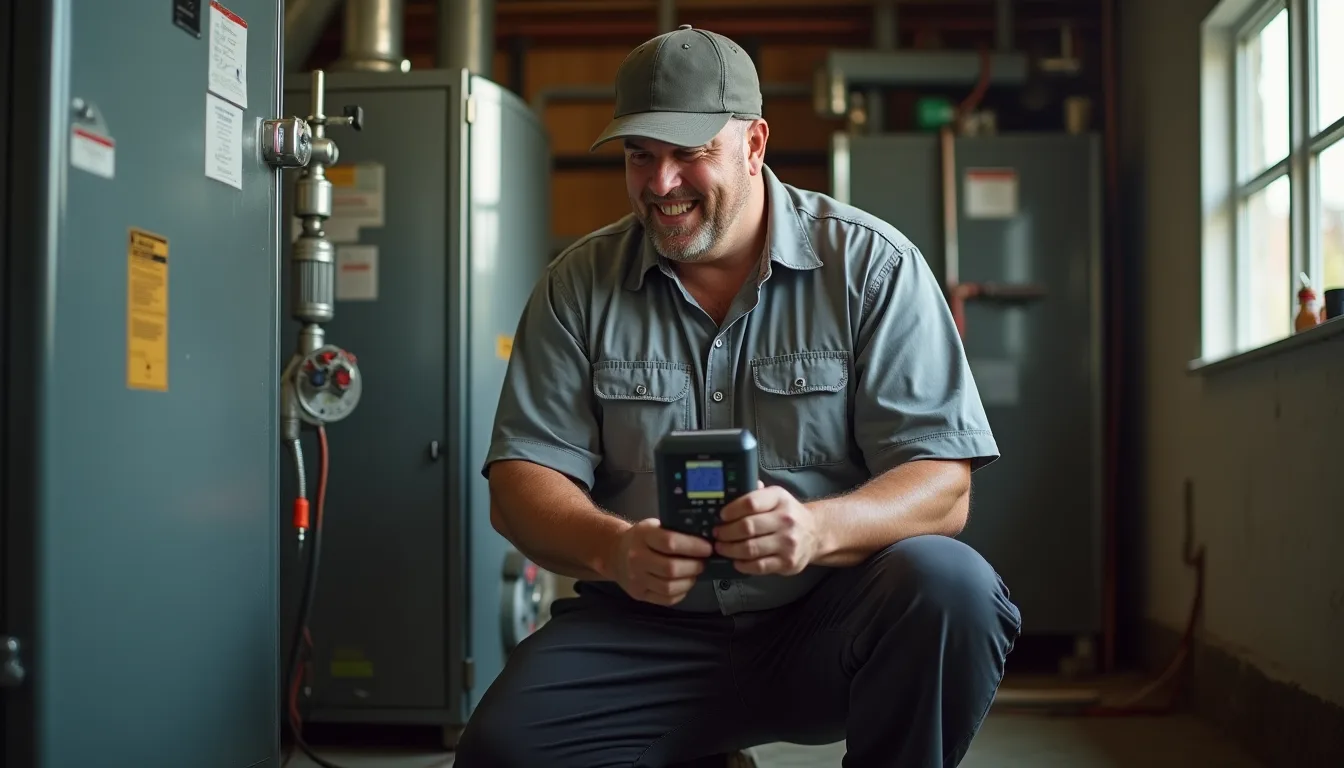
As Denver homeowners, we all know the feeling of waking up to an unexpected snowstorm just as spring approaches, leaving us with more than just a blanket to pull over our heads. The rapidly changing temperatures and unpredictable weather can put extra strain on our HVAC systems, especially after a long winter season. Proper maintenance is vital, but it’s easy to overlook component checks when you’re busy shoveling snow or dodging hailstorms. To ensure your heating system can handle these fluctuations, here’s a curated winter HVAC maintenance checklist tailored for Denver homes.
Why This Matters for Denver Homeowners
Denver experiences significant snowfall and freezing temperatures in winter, which can create a cascade of issues for HVAC systems. Cold drafts can seep through older homes' build materials, while heavy snowmelt and spring flooding can lead to failing systems due to water damage. Additionally, Denver's landscape, with its expansive clay soils, often requires careful drainage solutions to prevent HVAC installations from being compromised. Failing to maintain your system could lead to costly repairs or even system replacement, especially as we approach the volatile spring season.
Moreover, the freeze-thaw cycles can exacerbate structural stress, putting more wear and tear on your HVAC system than would be expected in a milder climate. Ensuring your heating system is operating at peak performance is not just about comfort; it's about safeguarding your investment in your home.
Expert Solutions & Actionable Tips
1. Inspect Your Air Filters
Change your air filters every 1-3 months to enhance airflow and system efficiency. In a typical Denver winter, dust and debris can clog filters at an alarming rate, which may cause your heating unit to overwork and fail. quality replacement filters cost around $10-$30 each.
Consider switching to higher-efficiency filters. While these may cost more upfront, they improve air quality significantly, essential for your family's health during the cold months.
2. Check Your Thermostat Settings
Ensure that your thermostat is functioning accurately before the cold sets in. Calibrating your thermostat can help maintain comfort levels while keeping energy costs in check. Most programmable thermostats need adjustment about every season.
If you notice consistent temperature inconsistencies, consider having a professional calibrate the system, which typically costs $75-$150. Don't wait until the weather drops to uncover thermostat issues that could be costing you on your energy bills!
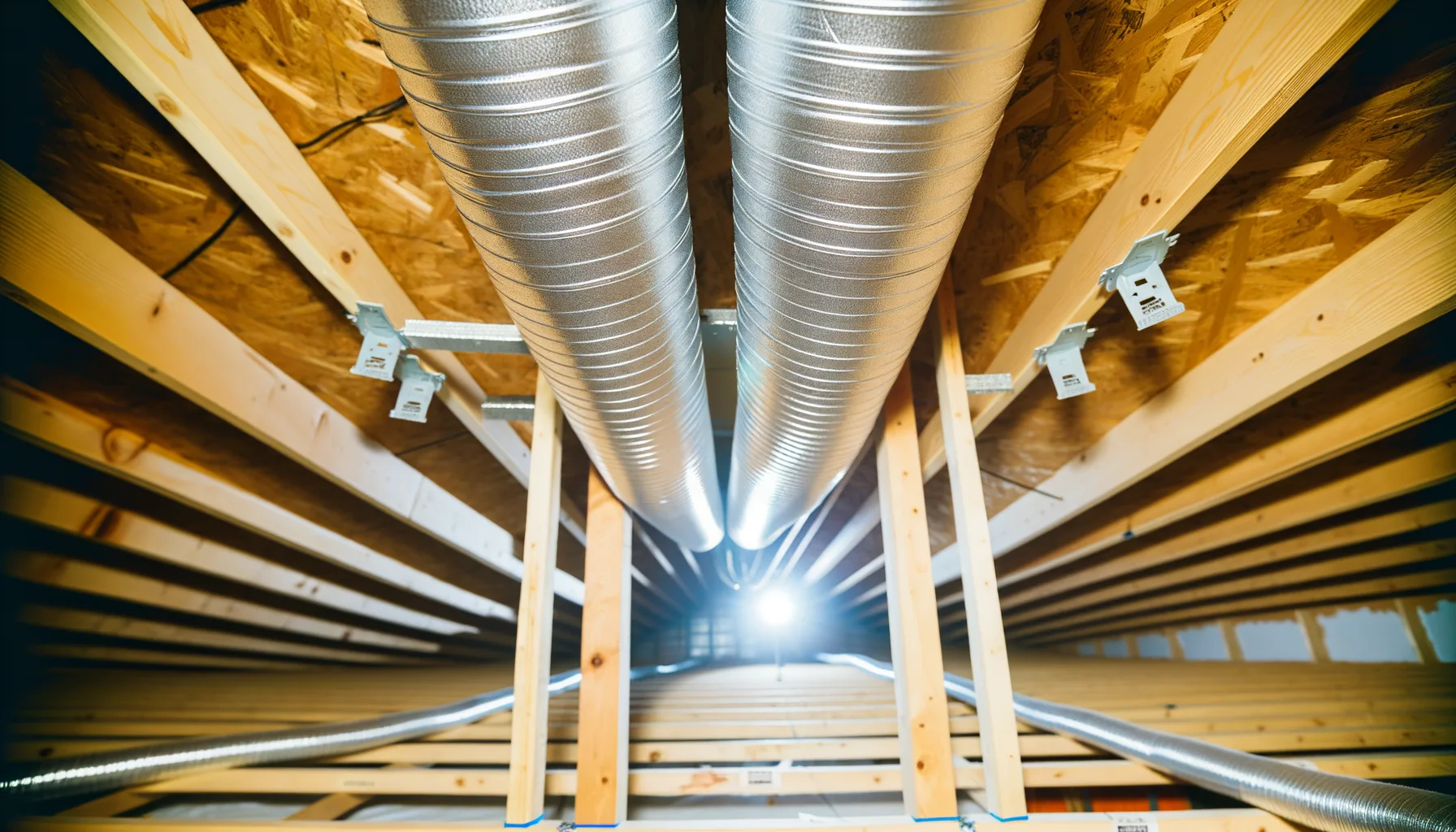
3. Examine Ductwork for Leaks
Leaking ductwork can decrease the heating system's efficiency by 20% or more, leading to wasted energy and a drop in comfort levels. Inspect your ducts for visible gaps or cracks, especially in older homes built in the pre-1970s.
Sealing duct leaks can cost between $200-$500 but can save you between 10% and 30% on heating costs. Don't let these losses seep away during harsh winter months!
4. Clean Your Outdoor Unit
Denver’s weather can leave your outdoor HVAC unit buried under snow and ice. Snow and debris buildup can lead to system failures. Clearing away snow and leaves regularly ensures the unit functions properly and extends its life.
This maintenance step only takes about 10-15 minutes and no significant cost. However, regularly cleaning can save you in repairs or premature unit replacements.
5. Insulate Pipes and Vents
Pipe insulation is crucial, especially for systems exposed to extreme cold. Ensure that all pipes leading to and from your HVAC system are properly insulated to prevent freezing, which is a common issue in Denver.
Insulating costs can range from $1-$3 per linear foot, but this minor investment can save you substantial money on repairs caused by burst pipes during cold snaps.
6. Schedule a Professional Inspection
Scheduling a yearly professional HVAC inspection is one of the smartest moves a homeowner can make. Often, professionals can spot issues before they escalate into costly repairs. Summit Furnace and Heating can provide thorough analysis and servicing, tailored to Denver's unique climate.
Expect to pay around $100-$200 for an inspection, which can pay for itself by preventing future costly repairs while keeping your home comfortable through the winter.
Denver Climate & Local Context
Denver's climate exhibits a unique blend of rapid weather changes, resulting in sudden snowstorms and fluctuating temperatures that require a dependable HVAC system. With the mix of expansive clay soils in many neighborhoods, drainage considerations become vital, especially during heavy snowmelt. Homeowners must understand that properly maintaining their heating systems is key to avoiding issues like system freeze-up or premature failures.
Moreover, the importance of following local building codes and permitting regulations cannot be stressed enough. Modifications to HVAC systems may require permits to ensure compliance with city standards. Working with qualified professionals can help you navigate these regulations smoothly while ensuring peace of mind.
When to Call a Professional
Knowing when to tackle your HVAC issues personally versus when to enlist a professional can be crucial for Denver homeowners. Understanding your limitations helps avoid potential mishaps that could lead to larger problems and costs down the line.
- If there's a consistent noise coming from the unit that wasn't there before
- Foul odors emanating from the vents
- Significant drops in home temperature
- Increased energy bills without explanation
- Persistent ice buildup on the unit
Any of these signs indicate a more profound issue requiring professional intervention. Summit Furnace and Heating can assist you in sorting out problems to ensure your heating adequately supports your home throughout winter.
Frequently Asked Questions
What HVAC maintenance tasks can I do myself?
You can change air filters, clean ducts, and inspect your outdoor unit for debris. However, always consult a professional for more technical tasks to maintain system safety and warranty.
How often should I schedule professional HVAC maintenance?
Annual inspections are recommended, ideally once in the fall before the heating season kicks in and another in the spring for cooling systems.
Is it necessary to insulate my HVAC ducts in Denver?
Yes, proper insulation prevents heat loss and minimizes the risk of ducts freezing, which is critical given Denver's cold winters.
What are common signs my HVAC system needs repairs?
Listen for unusual noises, note inconsistent temperatures, and watch out for foul smells. If you experience these, it's time to call a professional.
How can I improve energy efficiency during winter?
Regular maintenance, duct sealing, and using programmable thermostats can significantly enhance energy efficiency during the cold months.
Get Expert HVAC Service in Denver
Keep your HVAC system running smoothly this winter with the help of Summit Furnace and Heating. Proper maintenance is essential for comfort and safety during Denver's unpredictable weather. To ensure your home is ready for whatever winter throws at us, call (719) 361-9163 today!
Don’t leave comfort to chance. Contact experts at Summit Furnace and Heating for your winter HVAC maintenance needs in Denver.